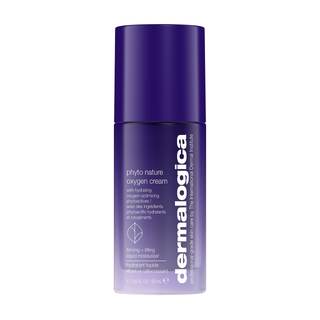
Dermalogica Phyto Nature Oxygen Cream, Daily…
At $129 for 1.7 fl oz, this is premium-tier pricing; comparable luxury moisturizers run $100–$160, so it's positioned competitively but not a value play.
What it is
A lightweight liquid moisturizer from Dermalogica that combines squalane and CoQ10 with plant extracts to hydrate and firm aging skin. It's for anyone looking for a daily cream that absorbs fast without heaviness.
Why it keeps winding up in carts
152 reviewers gave it a 4.4-star rating, with enough positive response to validate the formula's appeal across different skin types.
Oxygen-optimizing cream that actually feels light.
★ 4.4 from 152 ratings
We only hang a piece once the rating history is deep enough to mean something. This one clears that bar on volume; the written breakdown below is where the detail sits.
Based on 152 Amazon ratings.
A premium moisturizer that delivers hydration and firmness in one elegant, fast-absorbing step.
This 1.7 fl oz bottle of Phyto Nature Oxygen Cream sits at the luxury moisturizer price point—whether it justifies the investment depends on your skin's specific needs and budget.
Dermalogica positions this as a multi-benefit daily cream: it hydrates with squalane, supports elasticity with plant-based actives like Ligustrum Lucidum Seed Extract and Nasturtium Flower Extract, and claims to work across all skin types, including sensitive.
What we looked at
- 01Texture & Absorption Lightweight, fast-absorbing liquid formula
The appeal here is in the speed—it's marketed as quick-absorbing without clogging pores, which matters if you're layering with other serums or actives or applying morning and night. Liquid moisturizers typically feel less occlusive than creams, so this suits combo and sensitive skin better than dehydrated skin types seeking maximum barrier lock.
- 02Key Actives Squalane, CoQ10, Ligustrum Lucidum Seed Extract, Glycogen, Nasturtium Flower Extract
Squalane is a proven humectant and skin-barrier support. CoQ10 and the plant extracts are included for antioxidant and elasticity-support roles. The formula leans botanical, which appeals to ingredient-conscious buyers, though the concentration of each active isn't disclosed—so results will vary by individual skin.
- 03Claimed Results & Timeline Firms, lifts, plumps; improves elasticity and fine lines in 'just one week'
The one-week claim is aggressive for a moisturizer; realistic improvement in fine lines and firmness typically shows after 4–6 weeks of consistent use. The cream hydrates immediately, but longer-term elasticity gains depend on collagen production and skin renewal, which move slower.
Specification & fit
- Who it is forBest suited for anyone with normal-to-combination or sensitive skin seeking a lightweight daily moisturizer with anti-aging plant actives; those with very dry or dehydrated skin may prefer a richer cream or heavier occlusive.
- Hydrating Face Cream for Radiant Skin: Phyto Nature Oxygen Cream is a face moisturizer with oxygen-optimizing phytoactives that firm, lift, and plump aging skin while deeply hydrating for a youthful, glowing look.
- Firms & Lifts for Youthful Skin: Infused with Ligustrum Lucidum Seed Extract, this face cream improves elasticity and reduces fine lines, giving skin a firmer, more lifted appearance in just one week.
- Deep Hydration & Skin Revitalization: Glycogen and Nasturtium Flower Extract enhance oxygen flow to the skin, providing long-lasting hydration while improving smoothness and radiance for a healthy glow.
- Lightweight, Fast-Absorbing Formula: This hydrating cream absorbs quickly, delivering moisture without clogging pores. It revitalizes dry, dull skin, making it suitable for all skin types, including sensitive skin.
- On the labelSold on Amazon by Dermalogica. Price and availability are set by Amazon and change without notice.